Engineering Automation Bootstrap.
From Discovery to deployment - A structured 6 week programme to identify waste, upskill teams, and deliver automation that accelerates delivery.


What you get from the
6-week bootstrap.
Baseline Metrics: Lead Time, Deployment Frequency, Change Failure Rate, MTTR — measured and benchmarked
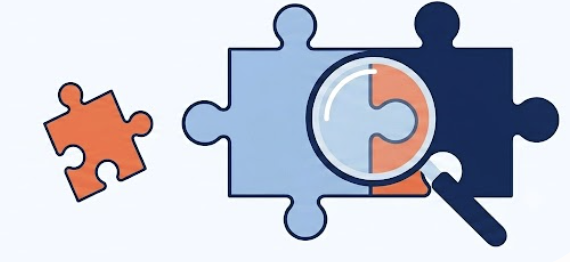
Architecture Clarity: Co-created C4 diagrams, Path to Production, and Developer Experience Maps
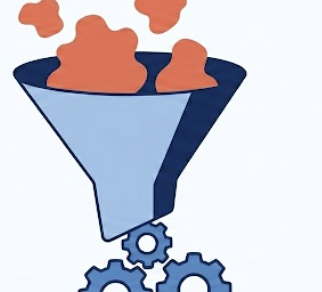
Waste Eliminated: Value Stream Maps exposing manual gates, handoffs, and non-value-added engineering time
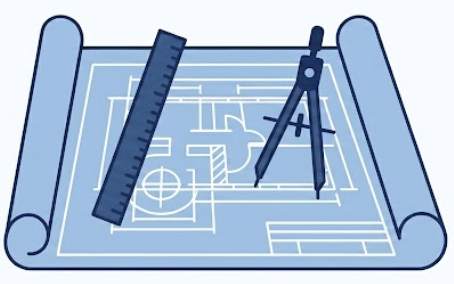
Target Architecture: Designed CI/CD pipelines and test frameworks tailored to your specific tech stack
Upskilled Team: Hands-on training in automation tools, scripting, and Infrastructure as Code
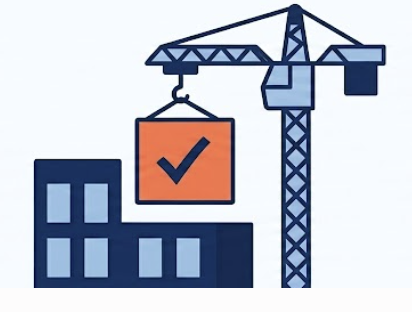
Working Automation: An MVP of your automation — committed code, not just theory
The Bootcamp.
Phase 1: Prepare & Prime.
Time Commitment:3 sessions × 2 hours
Purpose: Gather data, set up diaries, work with scrum masters, and identify evangelists within the product. This is the essential pre-work that sets the foundation for the entire programme.
Data Baseline:Lead Time, Deployment Frequency, Stakeholder Mapping, Change Failure Rate, MTTR
Phase 2: Learn the Context.
Time Commitment: 3 sessions × 2 hours
Purpose: A collaborative deep-dive to understand the current system architecture, developer experience, and path to production.
Technique: C4 Architecture (Context, Container, Component)
Outcome: Co-created architecture diagrams, a mapped Path to Production, and a comprehensive Developer Experience Map.
Phase 3: Discover the Waste.
Time Commitment: 2–3 sessions × 2 hours
Purpose: Map friction and flow using VSM and Developer Experience Mapping to identify manual gates, bottlenecks, and non-value-added engineering time.
Technique: Value Stream Mapping, Developer Experience Mapping
Outcome: End-to-End flow visualisation, Waste identified, Actionable improvement backlog, Developer Experience Map
Phase 4: Architect the Solution.
Time Commitment: 2–3 sessions × 2 hours
Purpose: Design the target automation architecture (CI/CD practices and pipelines, test frameworks) and customise the curriculum to address the specific tech stack gaps identified in earlier sessions.
Outcome: Shared understanding of the current architecture design, proposed changes to improve lead time and throughput
Phase 5: Train.
Time Commitment: 2–3 sessions × 2 hours
Purpose: Engineering sessions. Technical training on selected automation tools, scripting, and Infrastructure as Code principles to empower the team with practical, hands-on skills.
Technique:Technical Excellence concepts, Hands-on examples
Phase 6: Build.
Time Commitment:2 sessions × 2 hours
Purpose: Co-Creation Sprints. Consultants pair-program with the team to build the MVP of the automation (e.g., automating the build pipeline or critical test suite). Move from theory to committed code.
Technique: Pair programming, Working with team to action items